Explore Our Services
Explore our Pelvic Floor Physiotherapy Services below or get in touch and we'll help you find the right place to start.
Our Prenatal Pathway
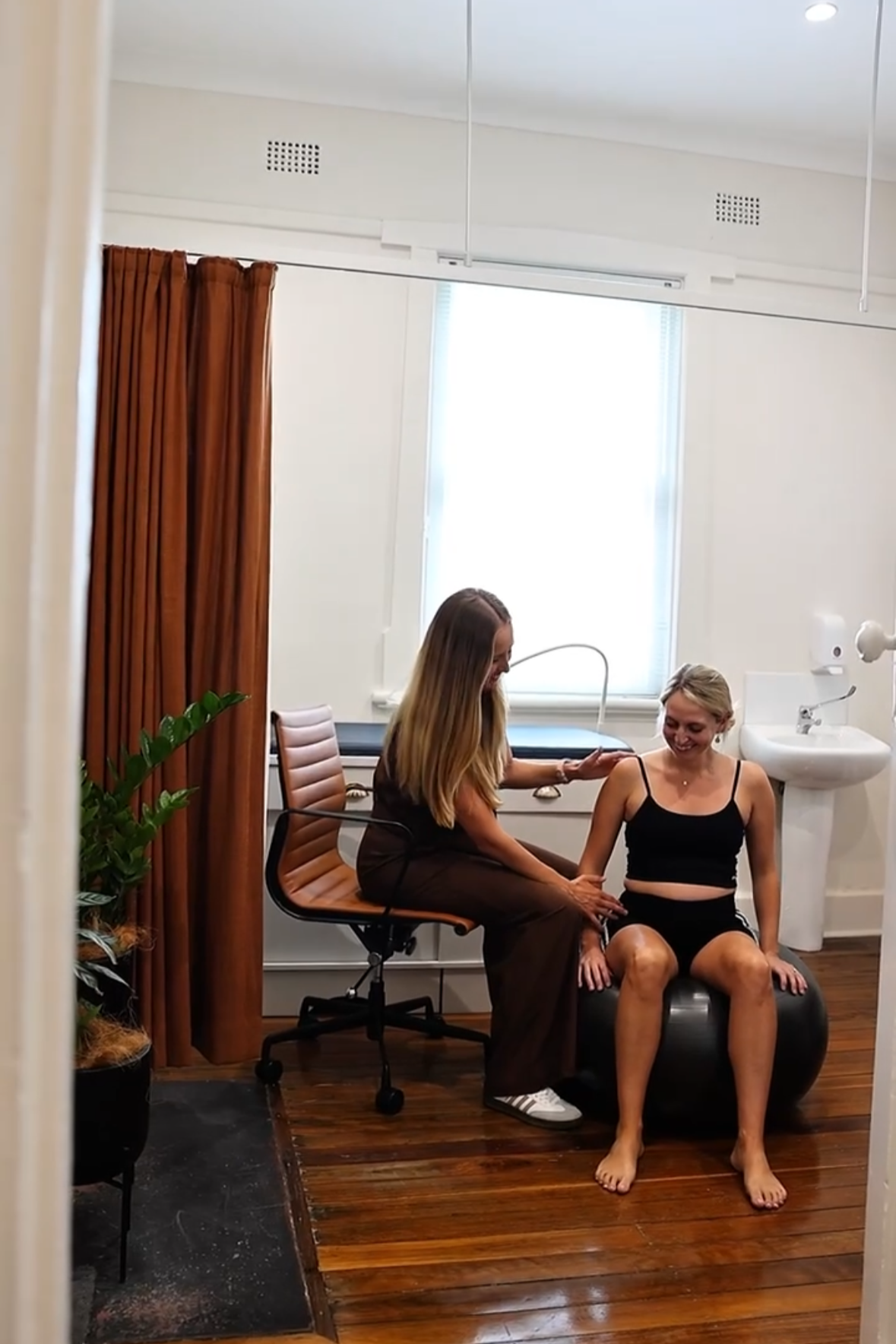
At KM Women's Health, we've created a structured Prenatal & Postnatal Pathway to make sure you receive the right care at the right time. We treat common pregnancy pains and guide you through evidence-based pelvic floor preparation as your body gets ready for birth. From your first trimester all the way through to your due date, we're with you every step of the way.
-
The earlier you're supported, the better. Your first appointment covers:
Pelvic floor symptom screening
Exercise prescription and guidance for pregnancy
Treatment and management of any pain or discomfort
Discussion of your birth preferences and what to expect
-
You don't need to be experiencing symptoms to benefit from a pelvic floor assessment during pregnancy. In fact, we recommend all women come in from 20 weeks so we can get a clear picture of how things are tracking. Your appointment will cover:
Assessment of pelvic floor muscle tone, strength, endurance and flexibility
Treatment of any existing symptoms or dysfunction
A personalised management plan to carry you through the rest of your pregnancy and into birth preparation
We'll always check for any clinical contraindications such as placenta previa or cervical changes before proceeding, and will tailor your care accordingly.
-
This is where we focus on getting your pelvic floor and body ready for labour and birth. Your birth preparation appointment includes:
Pelvic floor review and push technique assessment
Release of pelvic floor muscle tension
Perineal massage education
Education on labour, birth interventions, and how to prepare your body
-
As your due date approaches, this appointment is a chance to check in, tie up any loose ends, and make sure you feel as prepared as possible. Your birth preparation consultation includes:
Pelvic floor review and progression of your plan towards birth readiness
Muscle release and down-training treatment where needed
A postpartum recovery plan so you know exactly what to expect and when to come back in
-
Pain during pregnancy is common, but it's not something you should have to push through. We assess and treat a wide range of pregnancy-related conditions, including:
Pregnancy-related Pelvic Girdle Pain (PrPGP)
Symphysis Pubis Dysfunction (SPD)
Hip Pain
Lower and Mid Back Pain
Rib Pain
Round Ligament Pain
Wrist Pain / Carpal Tunnel Syndrome
With a hands-on, personalised approach, we'll work with you to reduce pain, restore movement, and keep you as comfortable and active as possible throughout your pregnancy.
-
The earlier you're supported, the better. Your first appointment covers:
Pelvic floor symptom screening
Exercise prescription and guidance for pregnancy
Treatment and management of any pain or discomfort
Discussion of your birth preferences and what to expect
-
You don't need to be experiencing symptoms to benefit from a pelvic floor assessment during pregnancy. In fact, we recommend all women come in from 20 weeks so we can get a clear picture of how things are tracking. Your appointment will cover:
Assessment of pelvic floor muscle tone, strength, endurance and flexibility
Treatment of any existing symptoms or dysfunction
A personalised management plan to carry you through the rest of your pregnancy and into birth preparation
We'll always check for any clinical contraindications such as placenta previa or cervical changes before proceeding, and will tailor your care accordingly.
-
This is where we focus on getting your pelvic floor and body ready for labour and birth. Your birth preparation appointment includes:
Pelvic floor review and push technique assessment
Release of pelvic floor muscle tension
Perineal massage education
Education on labour, birth interventions, and how to prepare your body
-
As your due date approaches, this appointment is a chance to check in, tie up any loose ends, and make sure you feel as prepared as possible. Your birth preparation consultation includes:
Pelvic floor review and progression of your plan towards birth readiness
Muscle release and down-training treatment where needed
A postpartum recovery plan so you know exactly what to expect and when to come back in
-
Pain during pregnancy is common, but it's not something you should have to push through. We assess and treat a wide range of pregnancy-related conditions, including:
Pregnancy-related Pelvic Girdle Pain (PrPGP)
Symphysis Pubis Dysfunction (SPD)
Hip Pain
Lower and Mid Back Pain
Rib Pain
Round Ligament Pain
Wrist Pain / Carpal Tunnel Syndrome
With a hands-on, personalised approach, we'll work with you to reduce pain, restore movement, and keep you as comfortable and active as possible throughout your pregnancy.
Our Postnatal Pathway
Your recovery after birth deserves just as much care and attention as your pregnancy. At KM Women's Health, our Prenatal & Postnatal Pathway continues beyond birth, providing the right support at the right time, from your first weeks postpartum through to returning to the activities you love.
-
Your recovery starts early and sometimes you need guidance before you're ready to leave the house. This optional telehealth appointment is available from two to three weeks postpartum for women who want early support following their birth experience, or who are keen to start moving safely and need to know where to begin. Your appointment includes:
A birth debrief and discussion of how you're feeling physically and emotionally
Pelvic floor symptom screening to identify anything that needs early attention
Personalised early postpartum exercise guidance to support a safe recovery from home
-
A comprehensive in-clinic assessment to evaluate how your body is recovering after birth, including:
Pelvic floor assessment following vaginal or caesarean birth
Diastasis recti (abdominal separation) assessment
Return to exercise clearance and personalised recovery plan
A structured pelvic floor and core rehabilitation plan based on your assessment findings. Whether that's a home exercise program, ongoing one-on-one treatment, or a referral into our Postnatal Foundations course, which can be started from as early as six weeks postpartum. Find out more HERE!
-
At 12 weeks postpartum, we reassess your pelvic floor recovery and strength and complete a return to high impact and running assessment, ensuring you're ready to get back to the activities you love, safely and confidently.
-
A caesarean birth is major abdominal surgery, and recovery needs dedicated support. Our c-section recovery care includes:
Scar management using The C-Section Release Method, massage and desensitisation
Deep abdominal and pelvic floor rehabilitation
Guided return to exercise program
It's a common misconception that a c-section means no pelvic floor issues, however your pelvic floor is just as affected by pregnancy regardless of how you birth. A pelvic floor assessment at 6 weeks postpartum is recommended for all mums.
-
Struggling with a blocked milk duct or mastitis? Physiotherapy can help. We use therapeutic ultrasound to unblock milk ducts and reduce inflammation, with treatment most effective when started as soon as symptoms arise. Most women require 1-3 consecutive sessions for full clearance.
📞 Book online or call us directly to book: (02) 4323 7680
-
Postnatal Foundations Course
Exclusively through Her Movement Studio in Long Jetty, our Postnatal Foundations course bridges the gap between your postnatal assessment and returning to everyday movement and exercise. This 6-week, pelvic floor physio-led program includes:
Rebuilding pelvic floor and core strength
Preparation for return to high impact training
Support for abdominal separation recovery
A safe, supportive group environment for new mums
Babies are welcome!
» BOOK POSTNATAL FOUNDATIONS COURSE
Postnatal Progressions Program
Ready to level up? Postnatal Progressions is your next step from 12 weeks postpartum. Join us Wednesday or Friday mornings as we work through functional strength and a safe return to impact training, with classes programmed in progressive 6-week cycles. Book casually or keep coming back using our class packs or membership!
-
Your recovery starts early and sometimes you need guidance before you're ready to leave the house. This optional telehealth appointment is available from two to three weeks postpartum for women who want early support following their birth experience, or who are keen to start moving safely and need to know where to begin. Your appointment includes:
A birth debrief and discussion of how you're feeling physically and emotionally
Pelvic floor symptom screening to identify anything that needs early attention
Personalised early postpartum exercise guidance to support a safe recovery from home
-
A comprehensive in-clinic assessment to evaluate how your body is recovering after birth, including:
Pelvic floor assessment following vaginal or caesarean birth
Diastasis recti (abdominal separation) assessment
Return to exercise clearance and personalised recovery plan
A structured pelvic floor and core rehabilitation plan based on your assessment findings. Whether that's a home exercise program, ongoing one-on-one treatment, or a referral into our Postnatal Foundations course, which can be started from as early as six weeks postpartum. Find out more HERE!
-
At 12 weeks postpartum, we reassess your pelvic floor recovery and strength and complete a return to high impact and running assessment, ensuring you're ready to get back to the activities you love, safely and confidently.
-
A caesarean birth is major abdominal surgery, and recovery needs dedicated support. Our c-section recovery care includes:
Scar management using The C-Section Release Method, massage and desensitisation
Deep abdominal and pelvic floor rehabilitation
Guided return to exercise program
It's a common misconception that a c-section means no pelvic floor issues, however your pelvic floor is just as affected by pregnancy regardless of how you birth. A pelvic floor assessment at 6 weeks postpartum is recommended for all mums.
-
Struggling with a blocked milk duct or mastitis? Physiotherapy can help. We use therapeutic ultrasound to unblock milk ducts and reduce inflammation, with treatment most effective when started as soon as symptoms arise. Most women require 1-3 consecutive sessions for full clearance.
📞 Book online or call us directly to book: (02) 4323 7680
-
Postnatal Foundations Course
Exclusively through Her Movement Studio in Long Jetty, our Postnatal Foundations course bridges the gap between your postnatal assessment and returning to everyday movement and exercise. This 6-week, pelvic floor physio-led program includes:
Rebuilding pelvic floor and core strength
Preparation for return to high impact training
Support for abdominal separation recovery
A safe, supportive group environment for new mums
Babies are welcome!
» BOOK POSTNATAL FOUNDATIONS COURSE
Postnatal Progressions Program
Ready to level up? Postnatal Progressions is your next step from 12 weeks postpartum. Join us Wednesday or Friday mornings as we work through functional strength and a safe return to impact training, with classes programmed in progressive 6-week cycles. Book casually or keep coming back using our class packs or membership!
Pelvic Floor Physiotherapy Services
Leaking when you sneeze. Rushing to the toilet and not always making it. A heaviness or pressure in your pelvis that wasn't there before. Pain during sex. Constipation that never quite resolves. These are some of the most common complaints women quietly live with.
At KM Women's Health, our Central Coast pelvic floor physiotherapists provide expert, compassionate care for a wide range of pelvic health conditions. Whether your symptoms started after having a baby, crept in around menopause, or have simply always been there, we'll help you understand what's happening in your body and give you a clear, personalised path forward.
-
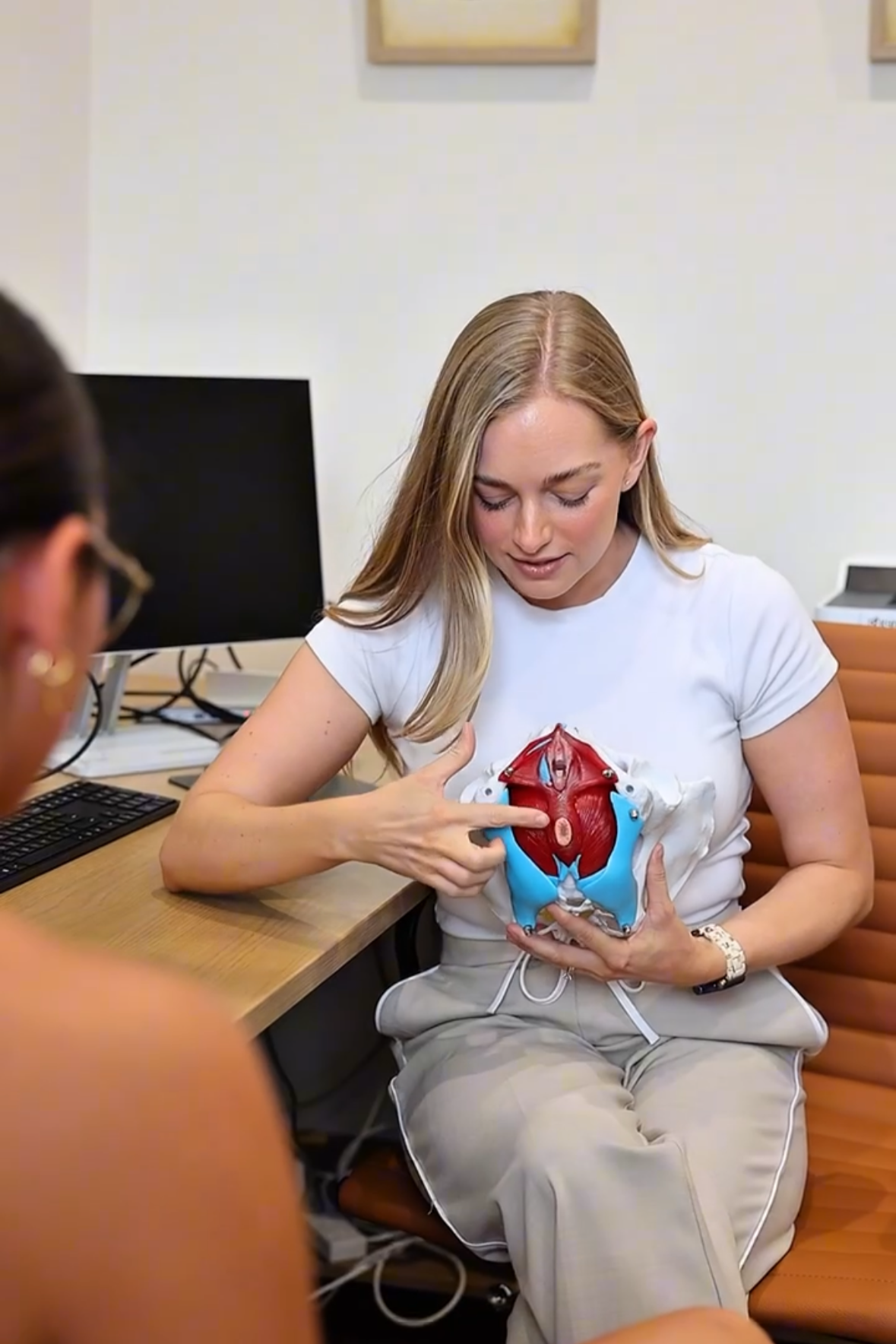
Your pelvic floor is a group of muscles, ligaments, and connective tissues that support your bladder, bowel, and uterus. When these muscles aren't functioning well, whether too weak, too tight, or poorly coordinated, it can affect every part of your daily life.
Pelvic floor physiotherapy is a specialised area of women's health that assesses and treats pelvic floor dysfunction using a hands-on, evidence-based approach. At KM Women's Health, our Central Coast pelvic floor physiotherapists provide personalised care in a safe, supportive environment, because these symptoms are common, but they are not something you have to live with.
-
Pelvic pain is complex and can have a significant impact on your quality of life, relationships, and wellbeing. Our physiotherapists take a thorough, whole-body approach to understanding and treating the root cause of your pain.
We treat:
Endometriosis-related pain
Chronic pelvic pain
Sexual pain (dyspareunia) and vaginismus
Vulvodynia and vestibulodynia
Pelvic girdle pain outside of pregnancy
Bladder pain syndrome
What sets our pelvic pain care apart is our commitment to a truly holistic approach. We work alongside our multidisciplinary team at Gaiacology, including gynaecologists and a dietician, to ensure your treatment and management addresses every aspect of your health, not just your symptoms.
We are also proud to be the preferred physiotherapy provider for the Central Coast Community Women's Health Centre's Bloom Program, a dedicated program created to support women in our community living with endometriosis and chronic pelvic pain. This reflects our deep commitment to making specialist pelvic health care accessible to all women on the Central Coast.
Treatment may include manual therapy, pelvic floor muscle release, pain education, movement guidance, and collaborative care with your broader healthcare team.
-
Pelvic organ prolapse occurs when one or more pelvic organs, the bladder, uterus, or rectum, descend into or toward the vaginal wall due to weakened pelvic floor muscles and connective tissue. It affects approximately 1 in 3 women and can occur after pregnancy, childbirth, menopause, or from chronic pressure on the pelvic floor.
Common symptoms include:
A feeling of heaviness, pressure, or dragging in the pelvis
A bulging or "dislodged tampon" sensation in the vagina
Urinary symptoms such as leakage or difficulty emptying the bladder
Bowel symptoms including constipation
Lower back or pelvic discomfort
Painful intercourse
Treatment may include pelvic floor muscle training, lifestyle modifications, bowel management, vaginal tissue care, and pessary fitting, with the goal of reducing symptoms, improving quality of life, and avoiding or delaying surgical intervention.
-
Bladder dysfunction is incredibly common across all stages of a woman's life, but it is not something you simply have to accept. Pelvic floor physiotherapy is considered the first-line treatment for many bladder conditions.
We treat:
Stress Urinary Incontinence - leakage with coughing, sneezing, laughing, or exercise
Urge Urinary Incontinence - leakage associated with a sudden, strong urge to urinate
Mixed Urinary Incontinence - a combination of both stress and urge incontinence
Overactive Bladder (OAB) - urgent and frequent urination, including nocturia
Voiding Dysfunction - difficulty fully emptying the bladder, hesitancy, or a weak urine stream
Bladder Pain Syndrome / Interstitial Cystitis - chronic bladder pain, often associated with pelvic pain conditions
Treatment is tailored to your individual presentation and may include pelvic floor muscle training, bladder retraining, lifestyle modifications, urge suppression techniques, and continence pessaries.
-
Bowel symptoms are often under-discussed, but they are more common than you think, and very treatable. Our physiotherapists assess and manage a range of bowel-related pelvic floor conditions, including:
Constipation and straining
Faecal urgency or incontinence
Incomplete bowel emptying
Bowel-related pelvic floor dysfunction
Treatment focuses on optimising bowel habits, pelvic floor muscle coordination, and practical lifestyle strategies to restore comfort and confidence.
-
Your pelvic floor is a group of muscles, ligaments, and connective tissues that support your bladder, bowel, and uterus. When these muscles aren't functioning well, whether too weak, too tight, or poorly coordinated, it can affect every part of your daily life.
Pelvic floor physiotherapy is a specialised area of women's health that assesses and treats pelvic floor dysfunction using a hands-on, evidence-based approach. At KM Women's Health, our Central Coast pelvic floor physiotherapists provide personalised care in a safe, supportive environment, because these symptoms are common, but they are not something you have to live with.
-
Pelvic pain is complex and can have a significant impact on your quality of life, relationships, and wellbeing. Our physiotherapists take a thorough, whole-body approach to understanding and treating the root cause of your pain.
We treat:
Endometriosis-related pain
Chronic pelvic pain
Sexual pain (dyspareunia) and vaginismus
Vulvodynia and vestibulodynia
Pelvic girdle pain outside of pregnancy
Bladder pain syndrome
What sets our pelvic pain care apart is our commitment to a truly holistic approach. We work alongside our multidisciplinary team at Gaiacology, including gynaecologists and a dietician, to ensure your treatment and management addresses every aspect of your health, not just your symptoms.
We are also proud to be the preferred physiotherapy provider for the Central Coast Community Women's Health Centre's Bloom Program, a dedicated program created to support women in our community living with endometriosis and chronic pelvic pain. This reflects our deep commitment to making specialist pelvic health care accessible to all women on the Central Coast.
Treatment may include manual therapy, pelvic floor muscle release, pain education, movement guidance, and collaborative care with your broader healthcare team.
-
Pelvic organ prolapse occurs when one or more pelvic organs, the bladder, uterus, or rectum, descend into or toward the vaginal wall due to weakened pelvic floor muscles and connective tissue. It affects approximately 1 in 3 women and can occur after pregnancy, childbirth, menopause, or from chronic pressure on the pelvic floor.
Common symptoms include:
A feeling of heaviness, pressure, or dragging in the pelvis
A bulging or "dislodged tampon" sensation in the vagina
Urinary symptoms such as leakage or difficulty emptying the bladder
Bowel symptoms including constipation
Lower back or pelvic discomfort
Painful intercourse
Treatment may include pelvic floor muscle training, lifestyle modifications, bowel management, vaginal tissue care, and pessary fitting, with the goal of reducing symptoms, improving quality of life, and avoiding or delaying surgical intervention.
-
Bladder dysfunction is incredibly common across all stages of a woman's life, but it is not something you simply have to accept. Pelvic floor physiotherapy is considered the first-line treatment for many bladder conditions.
We treat:
Stress Urinary Incontinence - leakage with coughing, sneezing, laughing, or exercise
Urge Urinary Incontinence - leakage associated with a sudden, strong urge to urinate
Mixed Urinary Incontinence - a combination of both stress and urge incontinence
Overactive Bladder (OAB) - urgent and frequent urination, including nocturia
Voiding Dysfunction - difficulty fully emptying the bladder, hesitancy, or a weak urine stream
Bladder Pain Syndrome / Interstitial Cystitis - chronic bladder pain, often associated with pelvic pain conditions
Treatment is tailored to your individual presentation and may include pelvic floor muscle training, bladder retraining, lifestyle modifications, urge suppression techniques, and continence pessaries.
-
Bowel symptoms are often under-discussed, but they are more common than you think, and very treatable. Our physiotherapists assess and manage a range of bowel-related pelvic floor conditions, including:
Constipation and straining
Faecal urgency or incontinence
Incomplete bowel emptying
Bowel-related pelvic floor dysfunction
Treatment focuses on optimising bowel habits, pelvic floor muscle coordination, and practical lifestyle strategies to restore comfort and confidence.
Whether you're ready to book or just have a question, we're here to help! Give our reception team at Gaiacology a call on (02) 4323 7680 or drop us a message and we'll get back to you shortly!
Get in touch
ENQUIRY FORM